|
|
added by
stiffbass
|
Artists
Location
New York State Fairgrounds, Syracuse US
Pictures
Comments
added by
stiffbass
|
|
|
added by
stiffbass
|

That's the thing about a good block puzzle game. It doesn't ambush you with complexity. It just asks you to place a piece, and then quietly makes every placement matter.
The horror of a nearly empty row
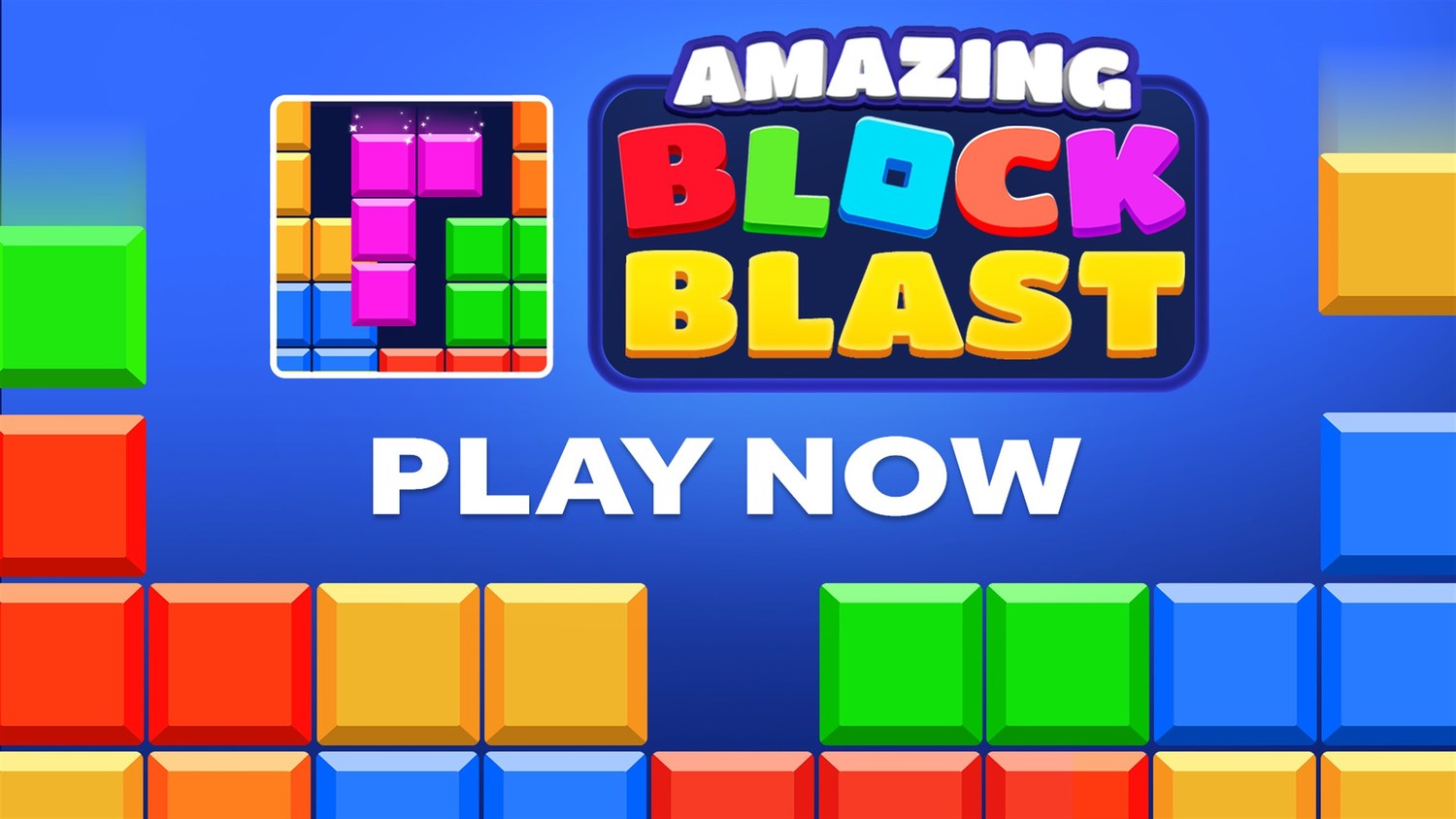
The setup is about as simple as it gets. Three block shapes appear at the bottom of the screen, and you drag each one onto a grid. Fill a complete row or column and it vanishes, giving you space back. Nothing to learn, nothing to memorize.
Except, of course, everything to learn. My first few placements felt delightfully clever. Then I hit the moment every Block Blast player knows: four neat empty squares right there in the middle, shaped nothing at all like the pieces I actually had. I'd been so proud of clearing rows and columns early that I never asked what my board would look like afterward. Spoiler: it looked like a parking lot after a bad snowstorm.
There's a specific kind of panic involved in watching available pieces fail to fit anywhere, knowing one more bad choice means the game is over.
Where my "strategy" fell apart
I like to think of myself as a strategic person. Then I play Block Blast and discover that my strategy mostly involves optimism.
A pattern emerged. I'd place a block that fit perfectly in the moment, feel like a tiny puzzle prodigy, and then realize several moves later that it had created a narrow gap I couldn't fill with anything. The empty spaces left behind weren't just empty. They were accusations.
The real lesson, which took me longer to accept than I'd like to admit, is that the game shows you all three pieces before you commit to one. So you can look at the whole set and decide which placement leaves you the most room to work with later. Ignoring two pieces to celebrate a third is basically planning to trip over your own feet a few steps ahead.
I also learned to preserve flexible open areas. A wide, clean section of the board is like spare cash. You don't spend it just because it's there. I started resisting the urge to cram a block into the first gap it sort of fit, and my sessions lasted noticeably longer—not because I was brilliant, but because I was leaving myself fewer ridiculous problems.
Why the browser tab keeps winning
Part of the appeal is how easy it is to reach. There's no install, no waiting, no commitment. On a desktop it's just a tab, and that's exactly the problem. A desktop browser session makes it dangerously simple to click over during a dull minute and get pulled into a much longer puzzle session than planned.
And the feedback loop is genuinely satisfying. Clearing multiple rows at once feels like a small celebration, and figuring out a placement that sets up a bigger clear feels like you've outsmarted the board. Then it hands you the next set of pieces and quietly raises the stakes.
I don't pretend to be great at Block Blast . Sometimes I clear a satisfying stretch and then ruin it by placing a block in the wrong spot and staring silently at the consequences. But each round teaches me a little about planning beyond the immediate move, and that's oddly satisfying.
If you have a spare minute and a browser, give it a try. Just be honest with yourself about the minute part.